Wednesday, July 24, 2024

How Tooth-Colored Fillings Blend Seamlessly with Natural Teeth for Aesthetic Appeal


Tooth-colored or composite resin fillings have transformed dental restorations by offering a natural-looking solution that seamlessly integrates with your smile. For those seeking the best tooth filling in Ghatkopar, these fillings are an excellent choice. Unlike traditional metal fillings, which can stand out against the natural color of your teeth, tooth-colored fillings are carefully crafted to match the shade, shape, and clarity of your natural teeth. Let’s explore how these fillings achieve aesthetic appeal and blend harmoniously with your smile.

Matching Natural Tooth Color

The key to tooth-colored fillings' aesthetic success is their ability to mimic the natural color of your teeth. Composite resin materials come in various shades and can be custom-blended by your dentist to match the unique color of your natural teeth. This customization ensures the filling blends invisibly, making it virtually undetectable to the naked eye.

Sculpting and Shaping Techniques

Dentists employ advanced sculpting and shaping techniques to recreate the natural contours of your tooth while placing tooth-colored fillings. This attention to detail allows the filling to blend seamlessly with the surrounding tooth structure, maintaining your smile's natural shape and alignment.

Translucency and Reflectivity

Composite resin materials are designed to mimic the optical properties of natural tooth enamel, including transparency and reflectivity. This characteristic helps tooth-colored fillings to interact with light in the same way as your natural teeth, creating a natural shine and sparkle that enhances the overall appearance of your smile.

Seamless Bonding to Tooth Structure

Tooth-colored fillings bond directly to the tooth structure by etching the tooth surface and applying a bonding agent. This bonding mechanism provides a strong and durable restoration and ensures a seamless transition between the filling and the natural tooth. As a result, the filling integrates harmoniously with the tooth, enhancing aesthetics and function.

Advantages Over Traditional Metal Fillings

  • Natural Appearance: Tooth-colored fillings blend invisibly with your natural teeth, eliminating the appearance of dark spots or lines that can occur with metal fillings.
  • Preservation of Tooth Structure: Minimal removal of healthy tooth structure is required during the placement of composite resin fillings, preserving the strength and integrity of the tooth.
  • Versatility: In addition to filling cavities, composite resin can be used for cosmetic purposes, such as repairing chips, reshaping teeth, or closing gaps between teeth.
  • Reduced Sensitivity: Composite materials transmit less temperature sensitivity than metal fillings, reducing the risk of post-treatment discomfort.

Long-Term Aesthetic Benefits

Beyond immediate cosmetic improvement, tooth-colored fillings offer long-term aesthetic benefits. Composite resin fillings can maintain their natural appearance and functionality with proper care and regular dental check-ups for many years. They provide a reliable solution for enhancing your smile while restoring the health and integrity of your teeth.

Conclusion

Tooth-colored fillings represent a significant advancement in dental technology, offering a natural-looking alternative to traditional metal fillings. By blending seamlessly with natural teeth through careful color matching, sculpting techniques, and optical properties, composite resin fillings enhance the aesthetic appeal of your smile while providing durable and functional restorations. If you're considering dental fillings or exploring options for restoring your teeth, consult your dentist to learn more about how tooth-colored fillings can benefit your oral health and overall appearance.

  

Wednesday, July 10, 2024

Everything You Need to Know About Getting Braces in Nizamabad


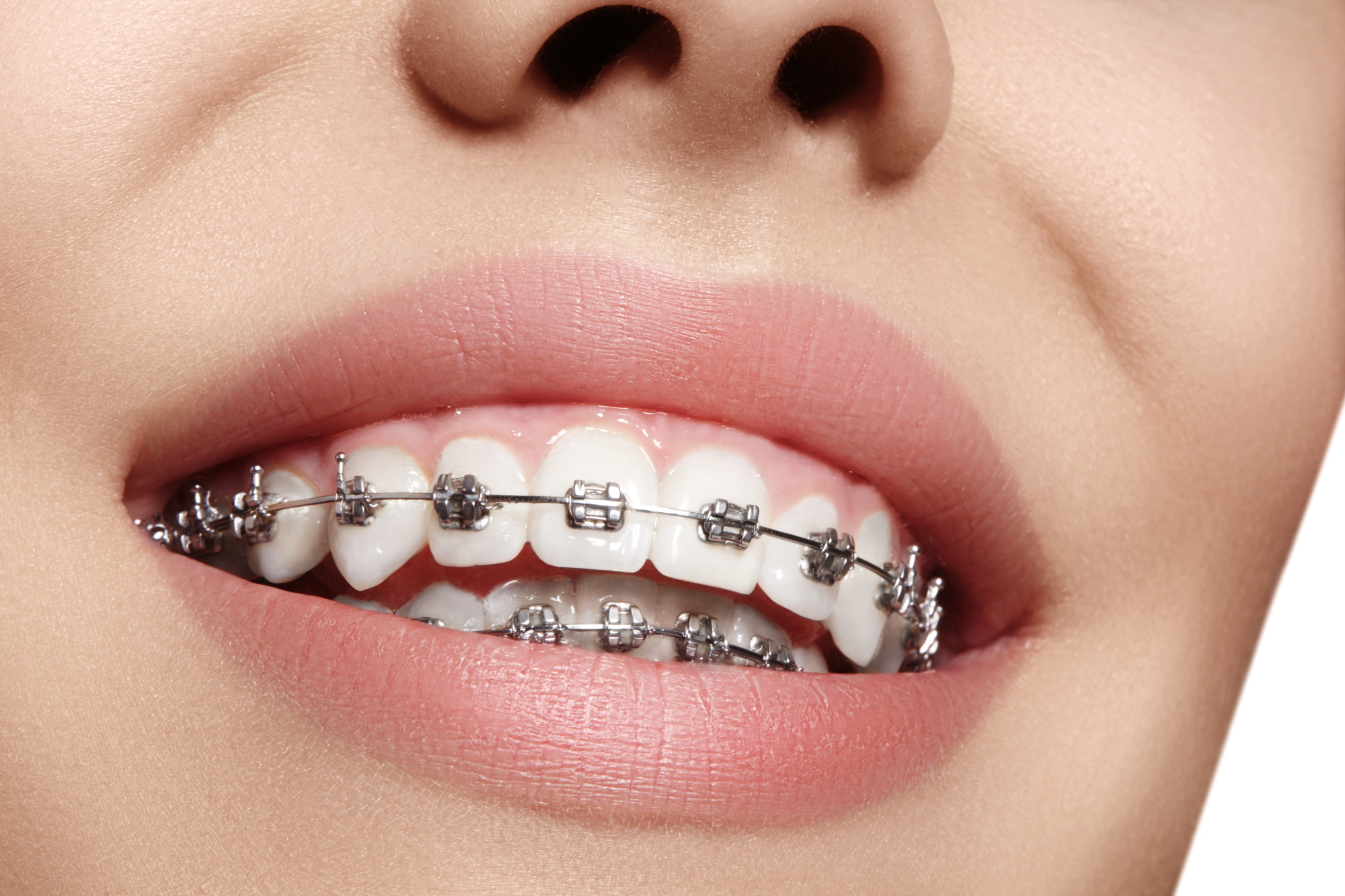
Are you looking to improve your smile with braces treatment in Nizamabad? Braces are a highly effective solution for correcting dental issues such as misaligned teeth, overbites, and underbites. This guide will provide you with all the information you need to understand braces treatment and how it can benefit you.

Understanding Braces and Their Benefits

Braces are orthodontic devices used to straighten teeth and correct jaw alignment issues. The primary benefits of braces treatment include:

  • Improved Oral Health: Straight teeth are easier to clean, reducing the risk of cavities and gum disease.
  • Enhanced Appearance: Correcting misaligned teeth results in a more attractive smile.
  • Better Functionality: Properly aligned teeth improve chewing and speech.
  • Boosted Confidence: A beautiful smile can significantly enhance self-esteem and confidence.


Types of Braces Available

1. Metal Braces

Metal braces are the most traditional and commonly used type. Made from high-quality stainless steel, they are durable and effective for treating a wide range of orthodontic issues.

2. Ceramic Braces

Ceramic braces function similarly to metal braces but are made of clear or tooth-colored materials. They are less noticeable and a popular choice for those seeking a more discreet option.

3. Lingual Braces

Lingual braces are attached to the back of the teeth, making them invisible from the front. They are an excellent option for individuals who want their braces to be hidden from view.

4. Invisalign

Invisalign uses clear, removable aligners to gradually straighten teeth. They are nearly invisible and can be removed for eating and cleaning, offering convenience and aesthetics.

The Braces Treatment Process

Initial Consultation

The journey to a perfect smile begins with an initial consultation with an orthodontist. During this visit, the orthodontist will examine your teeth, take X-rays, and discuss your treatment options.

Customized Treatment Plan

Based on the initial consultation, the orthodontist will create a personalized treatment plan tailored to your specific needs. This plan will outline the type of braces recommended, the estimated duration of treatment, and the expected results.

Placement of Braces

The next step involves placing the braces on your teeth. This process typically takes 1-2 hours and may cause some discomfort, which is normal and temporary.

Regular Adjustments

Regular follow-up visits are necessary to adjust the braces and ensure the treatment is progressing as planned. These visits usually occur every 4-6 weeks and involve tightening the braces and replacing any worn-out parts.

Completion of Treatment

Once your teeth have moved into their desired positions, the braces will be removed. You will then be provided with a retainer to help maintain the new alignment of your teeth.

Caring for Your Braces

Proper care and maintenance are crucial for the success of your braces treatment. Here are some tips to help you take care of your braces:

  • Brush and Floss Regularly: Brush your teeth after every meal and floss daily to remove food particles and plaque.
  • Avoid Certain Foods: Stay away from hard, sticky, or chewy foods that can damage your braces.
  • Use Orthodontic Wax: Apply orthodontic wax to any areas of the braces that cause irritation to your gums or cheeks.
  • Attend Follow-Up Visits: Keep all scheduled appointments with your orthodontist to ensure your treatment stays on track.

Frequently Asked Questions (FAQ)

How long does braces treatment take?

The duration of braces treatment varies depending on the complexity of the dental issues being addressed. On average, treatment can take anywhere from 12 to 24 months.

Are braces painful?

You may experience some discomfort and soreness, especially after adjustments. However, this is usually temporary and can be managed with over-the-counter pain relievers.

Can adults get braces?

Yes, braces are suitable for people of all ages. Many adults opt for braces to improve their dental health and enhance their smile.

How much do braces cost in Nizamabad?

The cost of braces in Nizamabad depends on the type of braces and the complexity of the treatment. It's best to consult with an orthodontist to get an accurate estimate.

Conclusion

Braces treatment in Nizamabad offers a reliable solution for achieving a beautiful and healthy smile. By choosing the right type of braces and following your orthodontist's recommendations, you can enjoy the benefits of improved dental health and increased confidence. If you're ready to start your journey towards a perfect smile, schedule a consultation with an orthodontist today.

Tuesday, July 2, 2024

Does Everyone Have Wisdom Teeth?


Introduction

Wisdom teeth, often referred to as third molars, are the last set of teeth to develop in our mouths. But does everyone have them? The presence and development of wisdom teeth can vary greatly among individuals. This article explores whether everyone has wisdom teeth and delves into the essential details of wisdom tooth removal in Hubli.

What Are Wisdom Teeth?

Wisdom teeth are the third set of molars that typically appear between the ages of 17 and 25. They are located at the back of the mouth, one in each quadrant: upper right, upper left, lower right, and lower left.

Do All People Develop Wisdom Teeth?

Interestingly, not everyone develops wisdom teeth. Here are some scenarios:

  • Fully Developed Wisdom Teeth: Some people have all four wisdom teeth fully developed and properly aligned.
  • Partially Developed Wisdom Teeth: Others might have fewer than four wisdom teeth.
  • No Wisdom Teeth: Some individuals may never develop wisdom teeth at all. This variation is due to genetic factors and evolutionary changes in human anatomy.

Why Do Some People Not Have Wisdom Teeth?

The absence of wisdom teeth can be attributed to several factors:

  • Genetics: Genetic predisposition plays a significant role. If your parents didn't have wisdom teeth, chances are you might not have them either.
  • Evolution: Over time, human diets and jaw structures have evolved. Our ancestors needed larger jaws and more teeth for chewing tough, raw foods. Today, with our softer diets and smaller jaws, wisdom teeth are often unnecessary and problematic.

Common Issues with Wisdom Teeth

When wisdom teeth do develop, they can lead to several dental issues:

  • Impaction: Wisdom teeth often don't have enough space to emerge properly, leading to impaction. Impacted wisdom teeth can cause pain, infection, and damage to adjacent teeth.
  • Crowding: Even if wisdom teeth emerge, they can crowd existing teeth, causing alignment issues.
  • Decay and Gum Disease: Wisdom teeth are harder to clean, making them more susceptible to decay and gum disease.

Symptoms Indicating the Need for Wisdom Tooth Removal

Certain symptoms may indicate that wisdom tooth removal is necessary:

  • Pain and Discomfort: Persistent pain at the back of your mouth can be a sign of impacted wisdom teeth.
  • Swelling and Infection: Swelling around the gums or signs of infection should not be ignored.
  • Difficulty Eating: Difficulty opening your mouth or chewing food may indicate problems with your wisdom teeth.

The Importance of Wisdom Tooth Removal in Hubli

In Hubli, wisdom tooth removal is a common dental procedure aimed at alleviating the problems caused by impacted or misaligned wisdom teeth. Removing problematic wisdom teeth can prevent further complications and ensure overall oral health.

The Wisdom Tooth Removal Procedure

Understanding the procedure can help alleviate any fears or anxieties you might have:

  1. Consultation: The process begins with a thorough examination by a dentist or oral surgeon. X-rays are taken to assess the position of the wisdom teeth.
  2. Anesthesia: Local or general anesthesia is administered to ensure a pain-free experience.
  3. Extraction: The dentist will make an incision in the gum tissue to access the tooth. If necessary, the tooth is divided into sections for easier removal.
  4. Stitches: After removal, stitches may be used to close the extraction site.
  5. Recovery: Recovery involves managing pain and swelling with prescribed medications and following post-operative care instructions.

Choosing the Right Dental Clinic for Wisdom Tooth Removal in Hubli

Selecting the right dental clinic is crucial for a successful procedure. Here are some factors to consider:

  • Experience and Expertise: Ensure the clinic has experienced oral surgeons who specialize in wisdom tooth removal.
  • Modern Technology: Choose a clinic equipped with the latest dental technology for accurate diagnosis and treatment.
  • Patient Reviews: Read reviews and testimonials from previous patients to gauge the quality of care provided.

Post-Operative Care Tips

After your wisdom tooth removal, follow these tips for a smooth recovery:

  • Rest and Relaxation: Take it easy for the first few days to allow your body to heal.
  • Ice Packs: Apply ice packs to reduce swelling.
  • Soft Foods: Stick to a soft diet to avoid irritating the extraction site.
  • Oral Hygiene: Gently rinse your mouth with salt water to keep the area clean.

Conclusion

Not everyone has wisdom teeth, and for those who do, these teeth can often cause more harm than good. If you're experiencing issues with your wisdom teeth, seeking wisdom tooth removal in Hubli can provide relief and prevent further complications. Consult with a reputable dental clinic to ensure a smooth and successful procedure.

FAQs

What are wisdom teeth? Wisdom teeth are the third set of molars that typically emerge between the ages of 17 and 25.

Do all people develop wisdom teeth? No, not everyone develops wisdom teeth. Some people may have fewer than four, or none at all.

Why might wisdom teeth need to be removed? Wisdom teeth often need to be removed if they are impacted, cause crowding, or are prone to decay and infection.

What symptoms indicate the need for wisdom tooth removal? Persistent pain, swelling, infection, and difficulty eating are common symptoms indicating the need for removal.

Is wisdom tooth removal painful? The procedure is typically performed under anesthesia, making it a pain-free experience. Post-operative pain can be managed with prescribed medications.

How long is the recovery period after wisdom tooth removal? Recovery time varies but generally takes about one to two weeks for initial healing.

Dentist: Professional Care for Strong Teeth and Gums

 Healthy teeth and gums are the foundation of a confident smile and overall well-being. Good oral hygiene not only enhances your appearance ...